

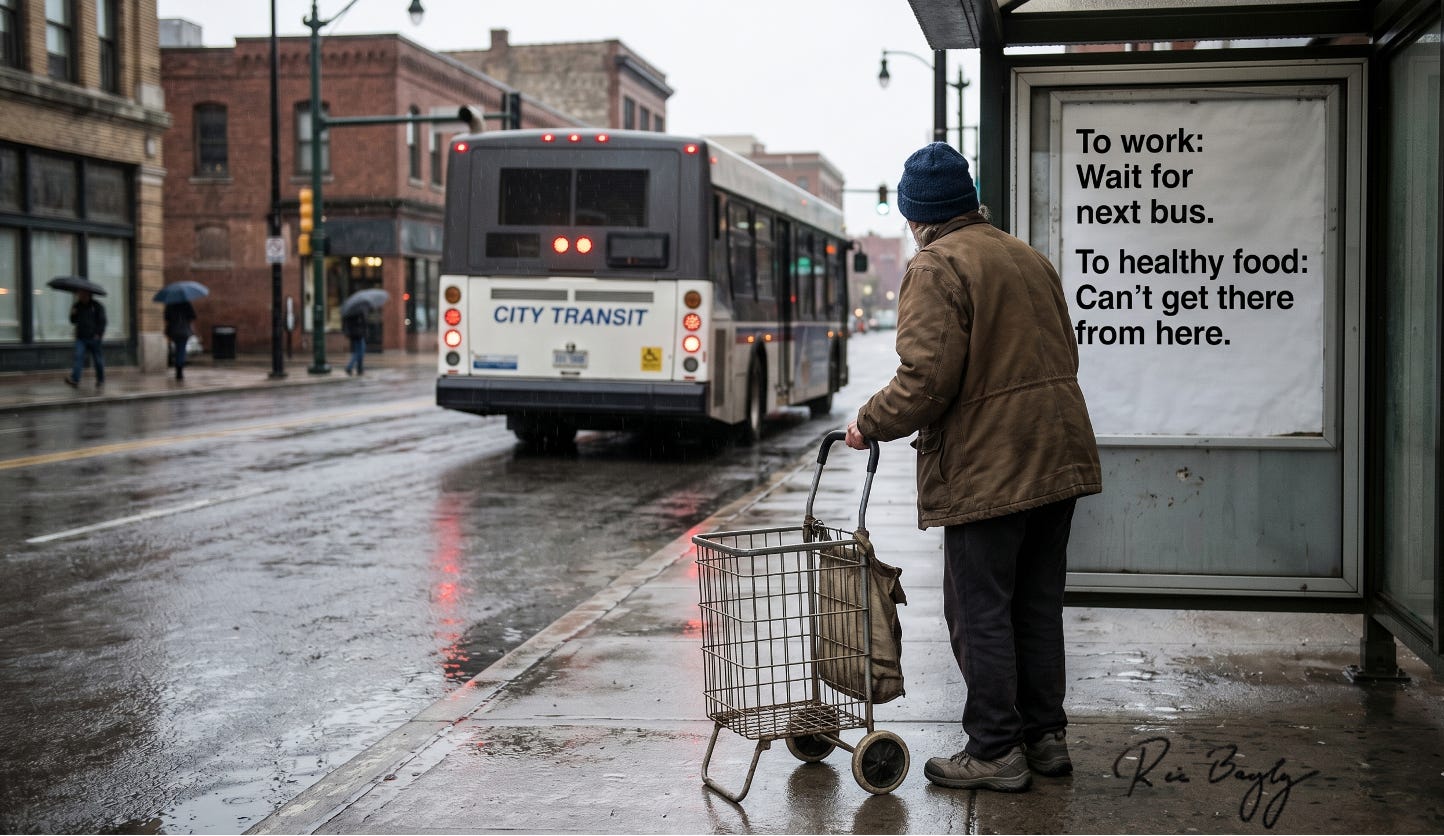
This month Lela Nargi in an article in The Guardian wrote about one of the studies I led that, together, examined, among other things, the use of cars vs. buses vs. walking to shop for healthy food. I told Ms. Nargi that I thought buses were a terrible way to have to go to get groceries, at least compared to going in a car.
As part of the access to healthy food research, we surveyed community leaders in the three communities in Rhode Island where the data collection took place.
One woman’s response spoke for many bus users and made a lasting impression on me. She was a shopper who uses a wheelchair, but her comments apply equally to those fully able to walk:
If you are allowed to take a small travel cart onto the bus often you have trouble getting it on and off the bus and are in the way of other patrons, so a lot of bus drivers will refuse you service if you try. Many of the bus routes do not go to where there are less expensive markets, and if you want to go to one of them you have to walk quite far. If you find sales in different locations, it’s not worth the effort and extra expense of travel time. Also, the weather is a factor – rain, snow, extreme heat – keeps many people from making the hike to the bus. Sometimes bus routes are a couple of blocks away. If this is the only choice you have, making your way to the market usually means going two-three times a week. There are many people who have to take taxis just to get their groceries home, which is expensive. Most often we are elderly or disabled and must shop on our own, consuming much of our day. When I’m told how lucky I am to be on a bus route, I like to tell people what I must go through to get a few days of groceries, and I prefer to use my electric wheelchair and lug my groceries home on the footrest of my chair.
As one community member lamented, the food system was “designed for drivers.”
There are a number of studies that measure physical access to food by car, but not many that attempt to measure access by transit bus. It’s difficult, and no one had figured out how to accurately estimate the number of people who could reasonably access a given supermarket or other location (like a health center, for example) by bus. It’s important for policy and planning to see how many people can get to a service location or potential location in a reasonable amount of time. But it’s very tricky to do that.
To use a bus, the shopper has to walk to the stop, wait for the bus, ride, and then get off and shop. This assumes there is a bus stop close to the supermarket, which is often the case. Coming back the shopper has a wait for the bus, ride, and walk home from the stop. Walking takes a fairly standard amount of time; bus stop waiting times range from none at all to who knows, depending on the spacing between buses and when exactly the shopper arrives at the stop; and usual bus speeds vary according to the time of day, usually being slowest during rush hours.
There aren’t any great software tools to put all these segments together to give the best estimate of how far away a supermarket or pantry could be for a shopper on a time budget, so I had to invent a new method. I won’t bore you with the details, but to see how many people in a community live close enough to reach a supermarket in a reasonable amount of time, you have to figure out what a reasonable amount of time is.
For this we depended on a group of community leaders who told us that, if you have a car, a round trip of 18 minutes is reasonable. Let me stop right here for a spoiler alert.
Basically, in all three communities, anyone with a car for shopping was within reach of at least one affordably priced supermarket and one healthier food pantry, given a time budget of 18 minutes for the round trip driving. If you had a car, physical access to affordable food for most people was no problem.
For those using a bus, the community leaders said a reasonable time budget for the traveling part of the shopping excursion was 36 minutes. This makes sense in these urban or semi-urban communities. It is mostly a given that using a bus is going to take longer than driving a car for food shopping.
What doesn’t make sense, when you think about it, is doing the calculation for how accessible food is by bus for a community when you start with the assumption that bus users have twice the time budget to do shopping. I don’t think bus users can be assumed to have more time on their hands than car drivers, but that is the approach taken by other studies like ours, and that is the way we did it.
Ours was an inherently inequitable, unequal measure for comparing healthy, affordable food access by car versus by bus.
I led the research, and I own that flaw in equity.
As you will see, if we had analyzed the data using the same time budget for shopping by bus as for shopping by car, the result would have been dramatic.
Perhaps it is dramatic enough to find that given a 36 minute round trip, only half of the people in the three communities had access to an affordable supermarket. Only one out of five could reach a food pantry that offered produce.
However, if we had cut the bus round trip budget by half to the 18 minutes allowed for a car round trip, the estimate of the number of people in each community with access to healthy food would have fallen to zero. All of the 18 minutes would have been consumed by walking to and from the bus stop and waiting for the bus on each end, leaving no time to actually ride on the bus
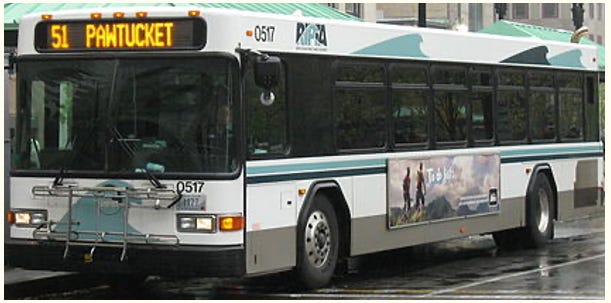
There is no perfect method for assessing food access, but the grand lesson is that, apart from all the hassles of using the bus, the time required for shopping by bus is never going to be the same as for driving, no matter how little time you have for shopping because the adults in your household have multiple jobs or you have multiple children to manage.
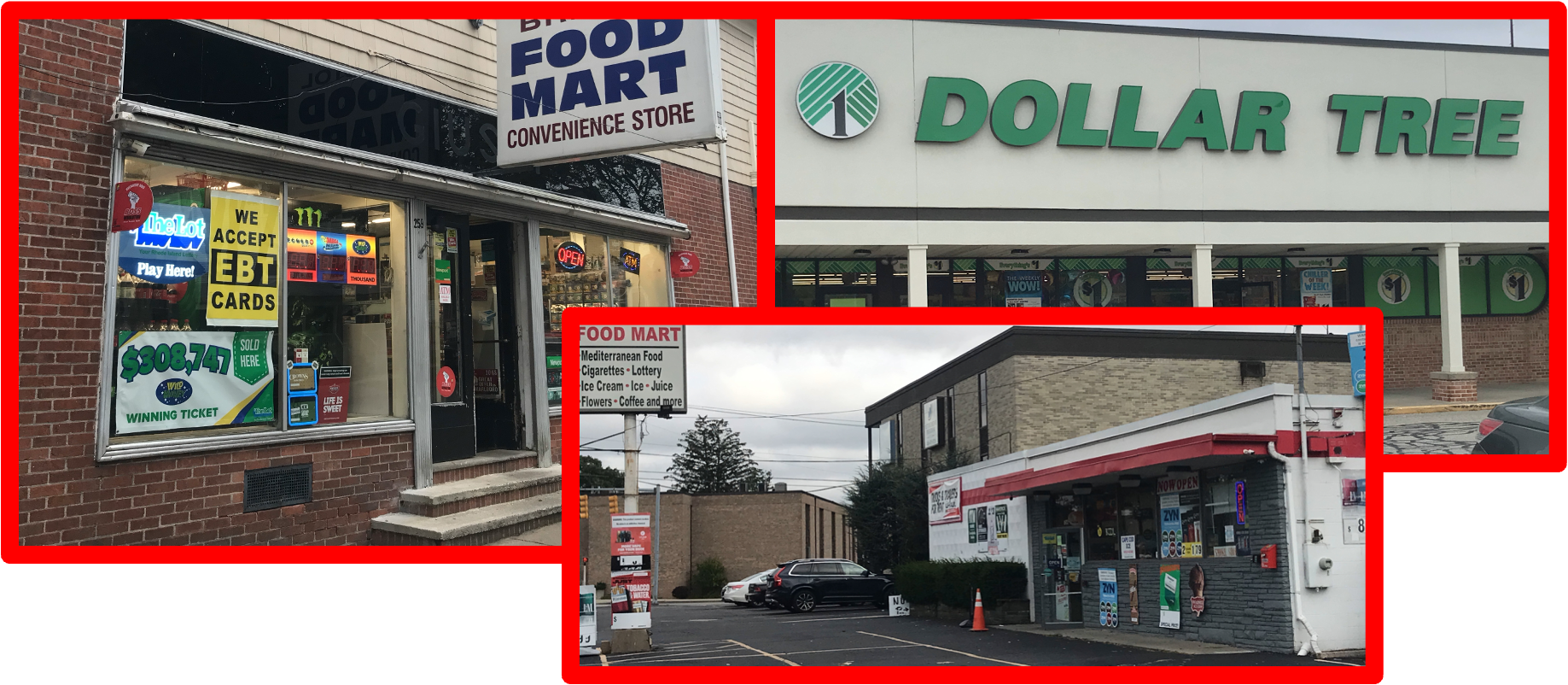
We found out some other interesting stuff. First, supermarkets and some food pantries were the only sources of a reasonable amount of healthy food in our study area. The seventy convenience, corner, and dollar stores in the three communities, and we surveyed them all, did not come close to clearing our low bar for having enough healthy food.
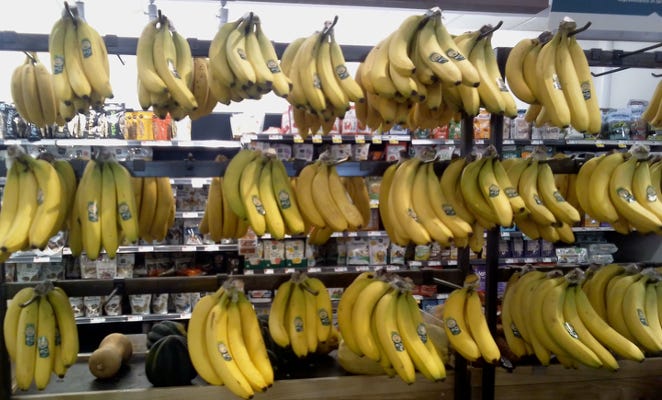
Second, the results of our cost analysis of shopping at the accessible supermarkets was a shock. We priced a selection of produce and dry and can goods at each store. The food we checked at the most expensive store cost twice what the same food did in the least expensive store. Shoppers who could access one of the three discount supermarkets could buy twice as much food compared to those who only had access to the most expensive store. The ability to make the food dollar go twice as far makes a world of difference to a family on a limited income, and about 10% of the population of the three communities lives in poverty
Buses can be somewhere between tolerable and great for commuting to work. When I was in college, I got up at 4 am every morning for a two-hour ride on two buses to get to my summer job in a cardboard box factory. Even that was tolerable, if just for a summer. But grocery shopping by bus can be hard.
What are the grocery shopping solutions for people who don’t have a car, don’t live within a short walk of a supermarket, and can’t afford delivery or a car service for their shopping? Unfortunately, I don’t think there are any easy, global solutions with something so unwieldy as transit systems, but maybe there are some smaller scale solutions, custom fit for the needs of local communities.
Maybe it sometimes involves government encouragement of retail food outlets, something that is already in action in several American cities, in addition to myriad government programs that are already in the food business, like assisting or funding food banks, pantries, farmers markets, indoor markets, military commissaries, soup kitchens, taxi voucher programs, and food deliveries for shut-ins.
Thanks for reading.
What are your thoughts about bus access to healthy food?


