
Food security is fundamental to the life of every human. Thankfully, many of us don’t have to worry about it, but knowing where our next meal is coming from allows us to work on building and protecting our families: to provide shelter, clothing, the ability to be employed, to go to school.
As Eating in America reported in September, Trump’s USDA has cancelled the annual U.S. Food Security Report, which for 30 years has provided actionable data on the level of food security around the nation and helped increase the efficiency of food assistance funding and program implementation. The last report, for 2024, was due out in October but has not been issued.
Many of us have never had to worry about our food security, but in 2023 one in seven households, 41 million Americans, experienced food insecurity. Five percent of households had very low food security, skipping meals or reducing food intake.
And we are at a point of rising food insecurity. The 2008 recession saw food insecurity climb to 15%, after which it dropped by 1/3 to 10.5% by 2019. However, food insecurity has been rising since 2022 due to inflation and, when last reported, was 13.5% in 2023.
What is the impact of food insecurity?
Food insecurity is linked to poor physical and mental health and negative economic effects. In children, food insecurity is associated with behavioral and developmental issues and poor school performance.
Right now one out of eight Americans are enrolled in the USDA’s Supplemental Nutrition Assistance Program, or SNAP, to reduce their food insecurity. Other USDA programs improve the food security and nutritional health of women and children, seniors, and school children.
As this is being written, the availability and duration of SNAP funds for November and going forward is in question. While judges have ordered the program to be funded during the current government shutdown, the Trump administration’s full compliance and the timing and duration of the restoration of funds are uncertain.
All of this has created extra stress and disruption on top of the ever-present stress of food insecurity for tens of millions of Americans.
Today on Eating in America, I spoke with food pantries on the East Coast, Gulf Coast, and in the Heartland.
First, states, cities, and towns throughout America have been stepping forward in the face of this food crisis.
I spoke with Alissa Ebel, Healthy Communities Coordinator for Somerville, Massachusetts, who has been helping that city communicate to its residents what is going on with SNAP benefits and where they may be able to obtain food in the time of SNAP uncertainties. Ebel has experience at the street level helping to manage a local food pantry.
“Many folks who use SNAP are dealing with other forms of insecurity and worries about making ends meet. SNAP is something they can usually rely on, which makes this unprecedented delay so damaging. Retroactive benefits won’t erase the stress and sense of instability the delay has caused for participants.“
“This is compounded by the confusion of the delay and the implementation of the cuts passed earlier this year. Although these cuts will roll out over the next year and more, and only affect some SNAP households, we’re hearing from people concerned that the whole program has been eliminated.”
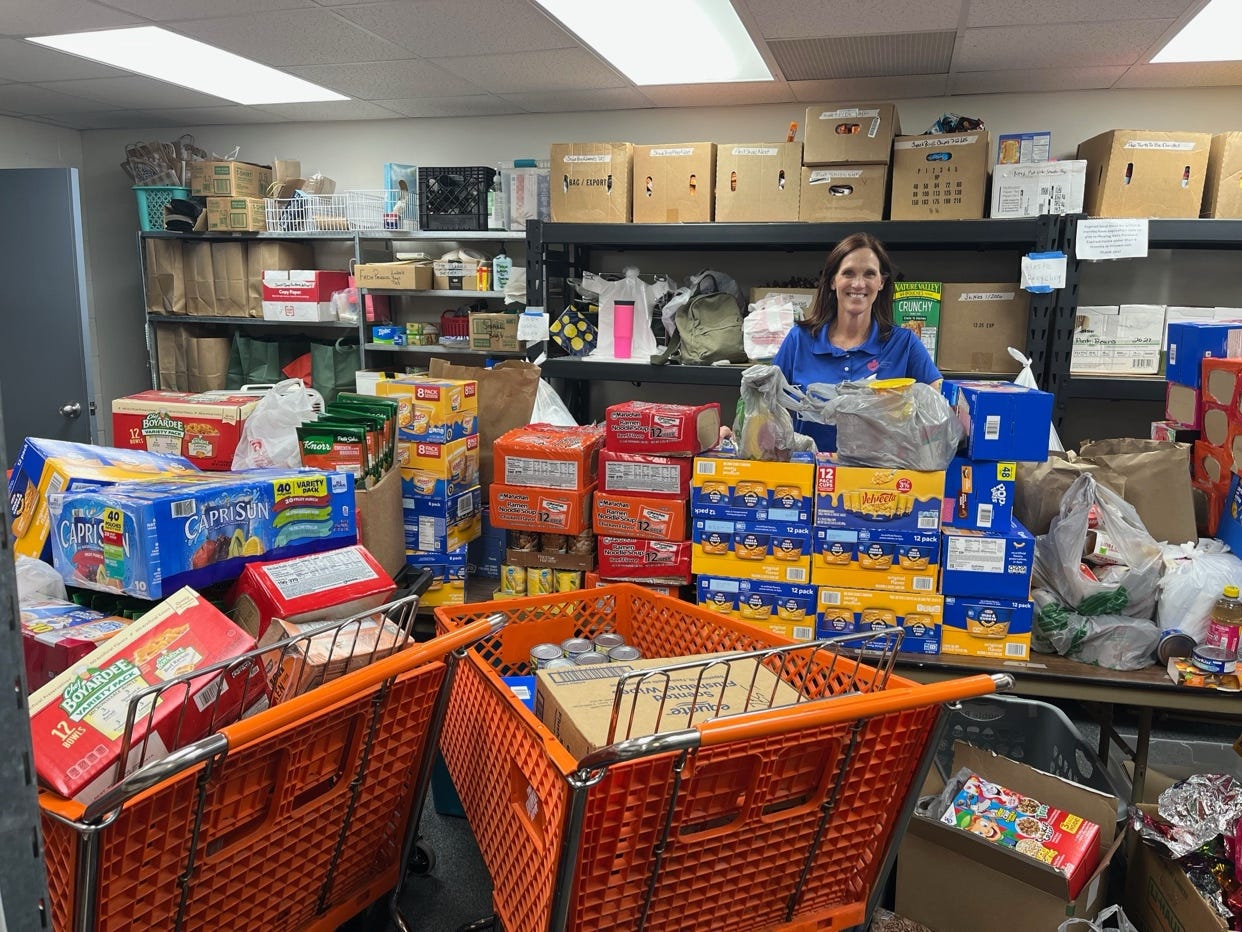
Ray Chavaree helps run the Long Beach Community Food Pantry, a pantry associated with Saint Thomas Catholic Church in Long Beach, near Biloxi, Mississippi. The Long Beach Pantry is open Monday, Wednesday, and Friday for 4-1/2 hours each day. Chavaree told me he had seen a surprising uptick in both pantry customers and donations:
“Today we had seven new people sign up who are losing their SNAP benefits.”
They come from all walks of life according to Chavaree:
“It doesn’t matter. We have all sorts of demographics. We have all sorts of ages. We have people who are housed. We have the unhoused. We run the whole gamut here.”
“Donations today, from members of the church community and the community in general, started when we opened and haven’t stopped. We are getting our shelves stocked to overflowing at this time. Hopefully we’ll have enough to make it through.”
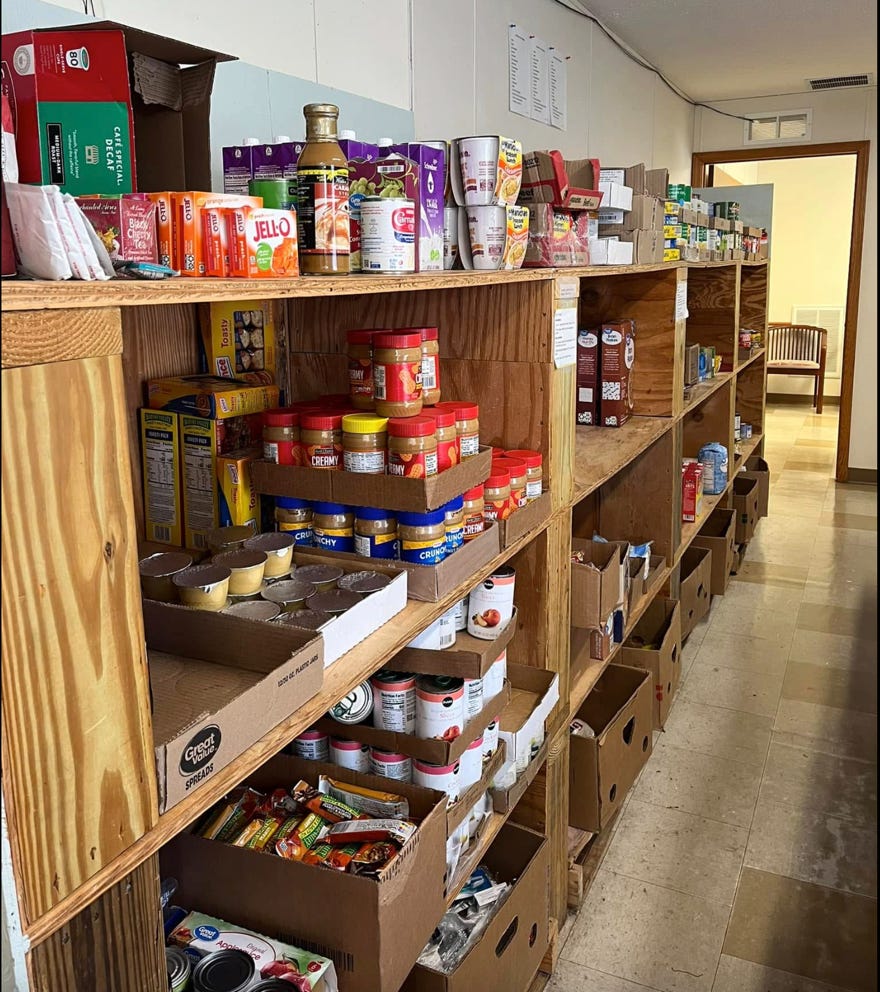
Like Long Beach, Mississippi, Wellfleet, Massachusetts on Cape Cod is a coastal community with vacation homes, second homes, and retirees. Wellfleet is a community with a high average household income, but the Wellfleet Food Pantry serves a spectrum of people in need. According to Sandra Galvin, President of the pantry:
“We’ve been serving over 200 families. We have retirees who thought they would be secure but now their finances are not sufficient. We have seasonal workers. We have a lot of shellfish and fishing families. The people that we’ve been seeing at the pantry don’t expect that they’re going to find jobs anywhere on the Outer Cape here. There are not many prospects, and they are just trying to exist and stay here. Housing is hard to find and housing costs are ridiculously expensive.”
“We have basically a food desert here. We have 2 supermarkets. The food is extremely expensive. But we provide food. People come in, and they’re anxious now, much more anxious. We hear the stories. They need money for their gas, for their heating, for food, for everything.”
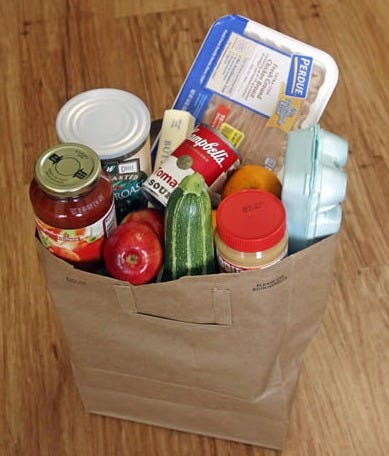
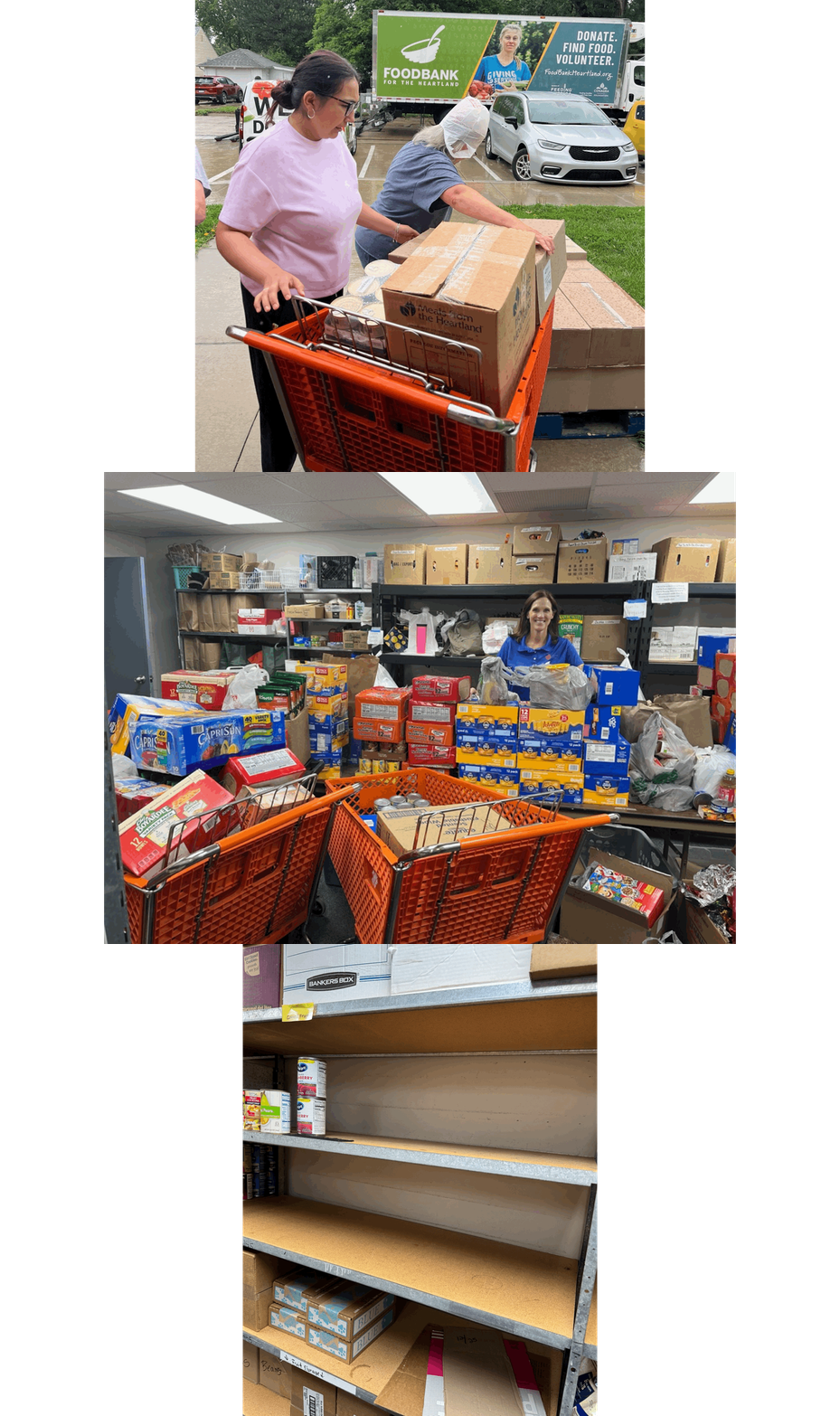
From the heartland of America, I spoke with Deanna Wagner, manager of the Bellevue Food Pantry in Nebraska:
“We’ve already seen a large increase in numbers of people seeking food assistance in Sarpy County with the government shut down. We saw an increase in people coming from Offutt Air Force Base, and then we’ve also just seen people affected by having their jobs furloughed, or people that are already anticipating cuts to their SNAP benefits. So, October was our busiest month ever, and we’re anticipating the rest of the year to be similar to that.”
“A lot of people are uncertain about why this is happening or what the future holds for them, and there are quite a few people that rely on SNAP benefits, just to supplement what they’re already buying. So not having that, that leaves them trying to figure out where they’re going to be able to feed their families throughout the month.”
I spend the first Saturday morning of each month in Revere, Massachusetts, outside Boston, where this month the Cambridge Health Alliance’s Revere Mobile Market coincided with the first day in a pause of USDA funding for SNAP benefits. As usual, market customers from Revere and surrounding cities began to line up before I and other market volunteers arrived, hours before the market opening at 10:00 am. Anticipating increased fear of hunger due to the SNAP crisis, Cambridge Health Alliance, a large health care provider, increased the number of free produce bags provided to 571, up from 525 in September.

Thank you for reading. Your support for Eating in America is appreciated and helps this effort grow. Please subscribe and give us your likes!
Photo credits: the pantries and Ric Bayly, CHA Revere Mobile Market. Note: a previous version of this post incorrectly named the CHA Revere Mobile Market.


