
“It’s scientifically proven to function!” Rose Byrne and Seth Rogen scream repeatedly and absurdly about the energy drink to which their characters have become addicted in an episode of the series Platonic.
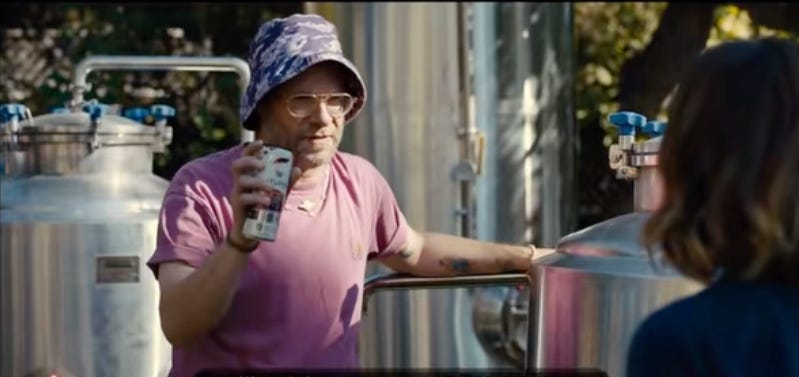
But is that energy drink scientifically proven to function, and, if so, to do what?
Today I look at the place of energy drinks in our food environment, their health risks, and how the Big Tobacco playbook has been used to stop efforts to protect our youth from those risks.
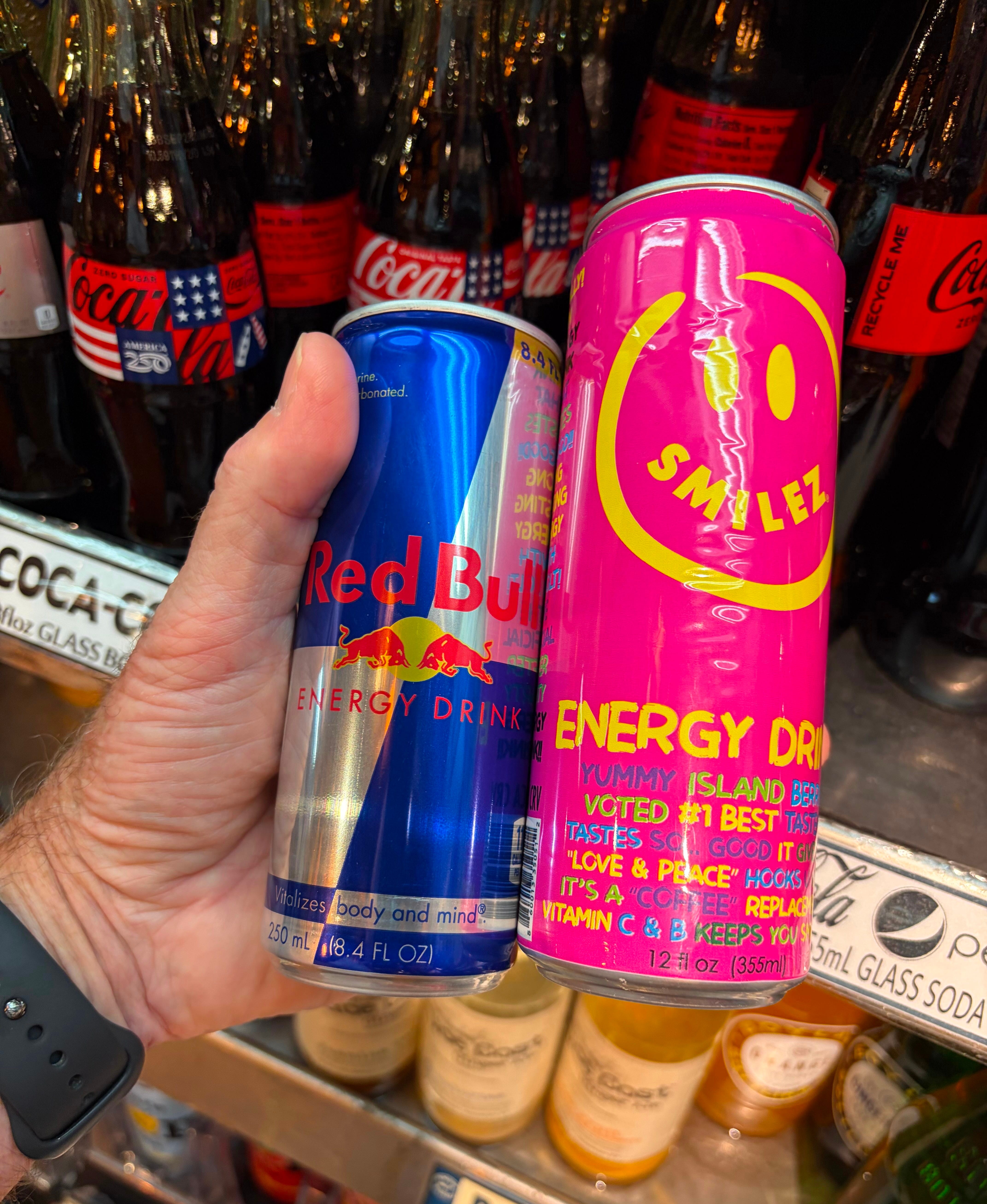
Red Bull, Monster Energy, and Celsius are the top three energy drinks in America. Coca-Cola owns about 20% of Monster Energy and Pepsi-Cola is in a partnership with Celsius. There are plenty of other brands, some of which highlight their drink’s health benefits, but the inclusion of caffeine is universal, usually anywhere from a cup of coffee’s worth or up to double that amount.
The sugar fix is in
Red Bull, Monster, and Rockstar Energy (another leading brand) feature over 50 grams of sugar (200+ calories) in their sugar-sweetened products, which is the bulk of what they offer. That amount of sugar is double the American Heart Association recommended daily limit for women and 50% more than the daily limit for men.
The appeal
These three brands seem to target young males with extreme sports as the centerpiece of their marketing, often along with images of women in poses meant to appeal to men and boys.
The energy drink demographic ranges from adolescents to young adults. The Gorilla Mind brand’s flavor lineup is typical:16 flavors all in the genre of Blue Raspberry, Rocket Frost, and Candy Apple
Like Gorilla Mind, a number of other energy drinks market their ability to sharpen your brain. FOCUSAID claims it provides “brain boost” with nootropics, also called “smart drugs” or “cognitive enhancers.” These are unfamiliar ingredients like GABA, alpha-GPC, and acetyl-L-carnitine.
Are these products safe?
There are a lot of concerns. The high sugar content; the heightened caffeine consumption that may be accelerated by drinking a cold, sweetened beverage; the ultraprocessed mix of ingredients; and perhaps, most of all, the glorification of these drinks in association with dangerous sports, including race car driving, stunt bikes, and ultimate fighting.
For example, Monster Energy and the motorcycle jump: from the top of a thirty-foot high cliff straight down to land on a pile of dirt. This is not what most parents would want to watch their 17 year old do, no matter how prepared with caffeine, sugar, and vitamins.

Energy drinks + alcohol: the wide-awake drunk
Add to this the rising concern about the frequent use of energy drinks in conjunction with alcohol: it’s called the wide-awake drunk. Stunts like going off a thirty-foot high cliff on a motorcycle somehow seem more likely if alcohol were to be involved along with an energy drink.
Red Bull bought the research it needed
Red Bull, in yet another example of the Tobacco Playbook being employed to create biased, bad, and misleading research, funded at least five studies examining the health and behavioral effects of combining energy drinks and alcohol. Those research projects found no harm. Unfortunately, the results of those studies were the foundation of the European Union’s Food Safety Authority’s report on energy drinks that provided a stamp of approval subsequently accepted by many countries.
A new investigation by The Examination, published by STAT and done in collaboration with other media outlets including Der Spiegel and The Toronto Star, identified over 100 studies of the risks of combining energy drinks with alcohol. Almost all of the studies funded by Red Bull or in which the researchers had a financial conflict of interest with Red Bull, found no increase in risk from mixing energy drinks with alcohol. Yet, about 80% of the studies where there were no Red Bull financial ties or funding found that risks did increase when energy drinks were consumed along with alcohol.
However, Red Bull was able to parlay the research it had funded into widespread governmental acceptance of energy drinks and, with vigorous lobbying, has effectively stopped most efforts to impose regulations on energy drinks, such as banning sale of them to minors.
The soda tax SWAT-team approach with energy drinks
Sugar-sweetened beverage taxes, aimed at reducing the negative health effects of sodas, have been shown effective in reducing sales. Forty countries have them at the national level. Whenever a sugar-sweetened beverage tax has been proposed in the U.S., the soda manufacturers have taken a SWAT-team like approach, sending in lobbyists to squash the idea. Of dozens of proposals, none have passed at the state level and many on the local level have failed as well. Around ten cities have a sugar-sweetened beverage tax.
This SWAT model seems to have been adopted by market leader Red Bull, who has taken a vigorous approach to monitoring threatening proposals and, when they arise, sending in academic researchers or company representatives to, usually, successfully dissuade legislators from imposing any restrictions on energy drinks.
Strong public health leadership can prevail
While the energy drink manufacturers are trying to deflect regulation in the U.S. using tricks we have seen employed by Big Tobacco, it is worth noting that, led by strong public health leadership from the federal government, tobacco use among youths has dropped from a high of 36% in 1997 to 4% in 2021. It seems the right leadership can create change when it comes to harmful substances in our environment.
There have been documented deaths associated with energy drinks, including due to cardiac events. Emergency department visits because of energy drink consumption numbered 20,000 way back in 2011.
The CDC reports that up to 50% of adolescents consume energy drinks and that they can be harmful. The CDC endorses the American Academy of Pediatrics recommendation that adolescents do not drink energy drinks.
RFK, Jr. is strongly opposed to energy drinks, but they are ultraprocessed foods and part of the Big Food and Coca-Cola protectorate, and Kennedy has, so far, made little progress against that political force.
Will Delaware by the first state to do anything?
Members of the Delaware legislature wanted to ban energy drink sales to under-18s, but that proposed law was killed. Maybe if Delaware is successful with its current, feather-light attempt to suggest to retail locations that they voluntarily post energy drink warnings and, a little more significantly, to ban energy drink sales at public schools, other states will take up the fight again and eventually the federal government will gather the political capital to act.
In the words of Delaware State Representative DeShanna Neal, “One caffeine-related death is one too many.”
Thank you for reading and for your support of the research and work of Eating in America by becoming a patron with a paid membership, liking this post if you like it, and sharing it with your friends, especially those with teenagers.


