
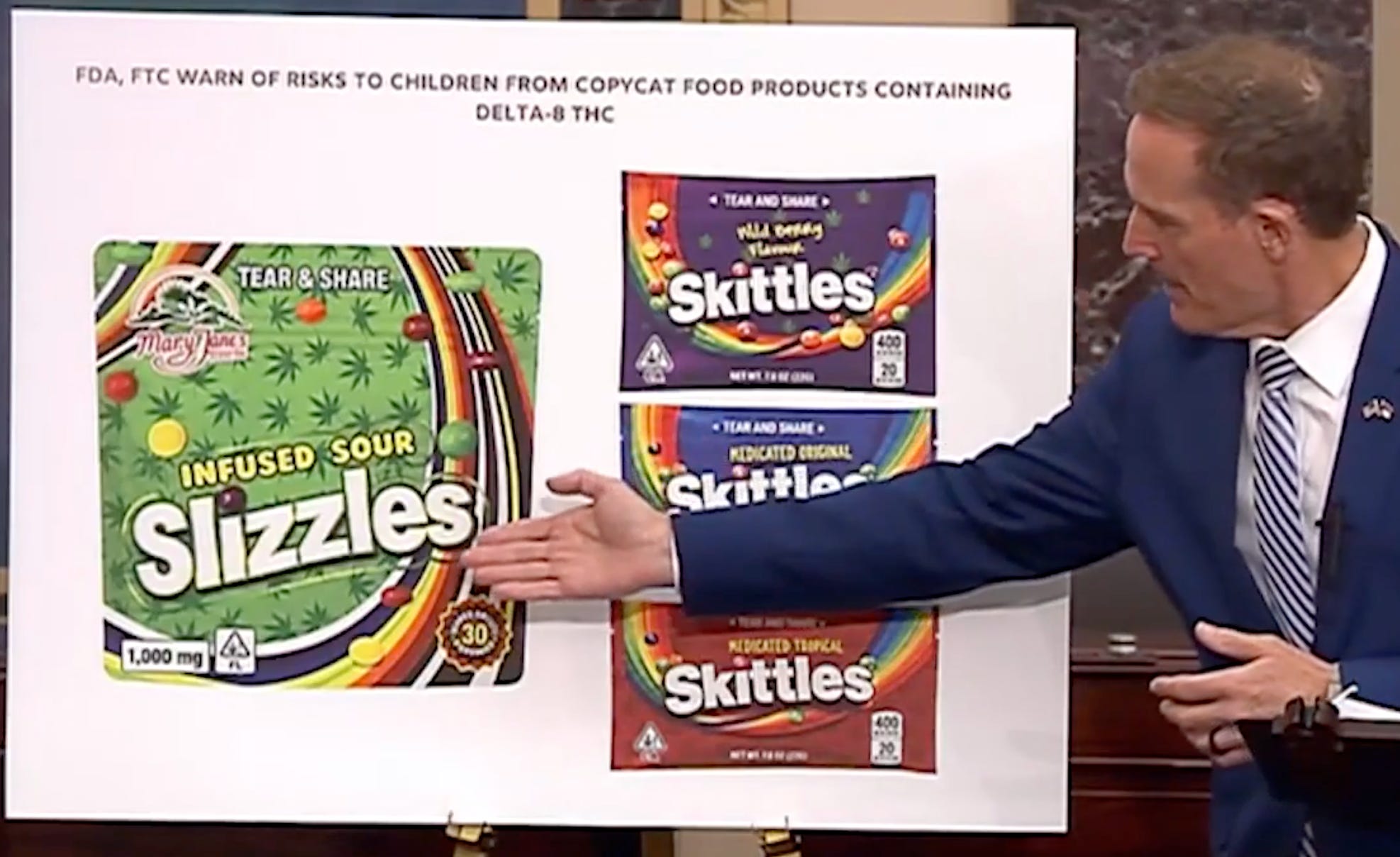
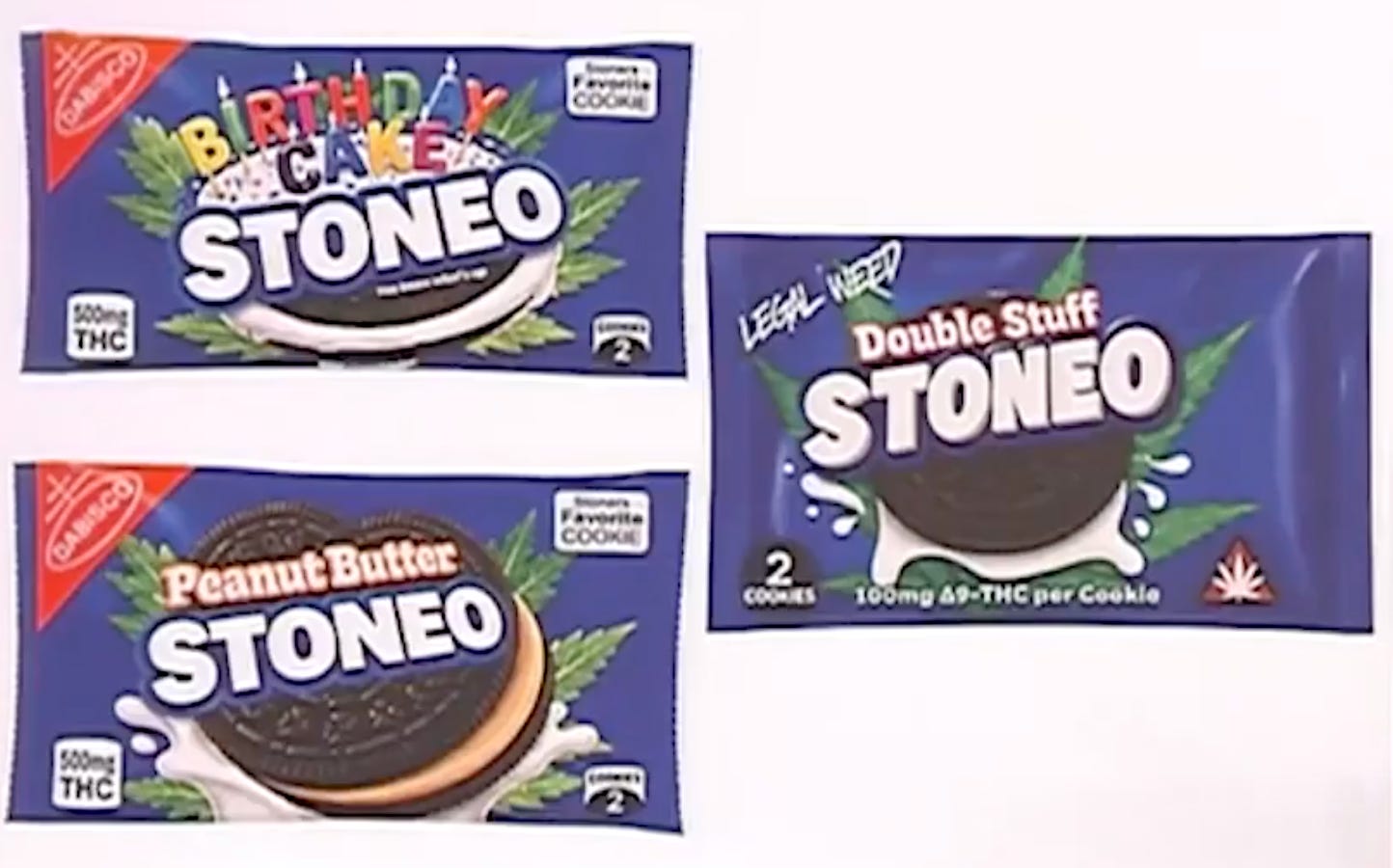
Candy and snacks made with THC, the psychoactive ingredient in cannabis, are for sale to both adults and kids in America: not in cannabis dispensaries but places like convenience stores. These treats are not regulated. Seventh graders on their way to school can stop and pick up packages of THC edibles made to look like familiar name brand candies. Except these candies can get them high, dangerously high.
As I reported in my April series “Ultraprocessed Cannabis: Potency, Policy, and Public Health in America,” in 2018 Trump and Congress deregulated hemp, meaning cannabis without an intoxicating amount of THC. While the intent was to allow the unregulated sale of wellness products and supplements containing CBD, or cannabidiol, a non-psychoactive chemical in the Cannabis Sativa plant, there was a loophole. While hemp products couldn’t contain more than a tiny amount of Delta-9 THC, which causes the high in cannabis, nothing forbid using ultraprocessing techniques to make products with potent amounts of the Delta-8 THC that is found in hemp.
For years, large quantities of Delta-8 THC have been added to canned drinks, gummies, and other snacks that have been sold without restriction, including purchasing age.
Some states have taken action, but more than half have not
Thirteen states ranging from Idaho to New York have banned hemp products with Delta-8 THC. Another seven allow intoxicating products but impose limitations or regulation. It is alarming from a public health viewpoint that intoxicating hemp products are legal and unregulated in about 25 states.
Federal action at last
Last year, as part of a continuing funding bill, Congress, with Trump’s signature, set this coming November 12th as the date when all hemp-based products with intoxicating levels of THC would be banned federally. Some legislators pushed for an additional one-year delay in the ban, but that effort failed.
Trump changes mind, now favors a delay in action. Did the White House Chief of Staff’s daughter marrying a hemp products CEO have anything to do with Trump’s reversal?
In June, Trump reversed himself and began asking Congress either to enact a regulatory framework allowing hemp-based products or to delay the ban. MS-NOW has pointed out this is the same month that White House Chief of Staff Susie Wiles’ daughter got married to the CEO of MC Nutraceuticals, a large wholesaler of hemp-based products, including Delta-8 THC. Could Trump’s reversal on the ban be a wedding gift? Forgive me for suggesting this possibility, but Trump’s past behavior is consistent with an inability to see himself in a conflict of interest in anything he fancies to do.
What was the political game with the delay?
At the beginning of August the quest for a delay turned into a proposed 4-week postponement of the ban ostensibly to allow legislators time to work out a hemp regulatory proposal. This ask for a small one-month delay baffled me at the time. It came an entire three months before the ban was meant to go into effect. I could understand if November 12th was drawing close after three months of hard lobbying and work constructing a compromise proposal and then a delay to the ban was asked for, but to ask so far ahead for a small one-month delay?
Clearly, some political gamesmanship and heavy hemp industry lobbying was at play. Maybe the hemp lobby thought waiting until after the mid-terms would free up some favorable votes, or maybe they thought just being able to get one positive outcome in favor of hemp, even if just a short delay, would swing momentum in hemp’s favor. Or maybe the fact that Congress was not going to be in session at the start of the ban was a factor.
One month delay slid into a funding bill and passed.
In any case, the hemp ban delay was added to a must-pass federal short-term funding extension and the hemp industry got their 4-week reprieve. As it stands the ban will now end on December 11.
Three types of hemp-based products: not gross, gross, and the big money maker to be.
So let’s try to make sense of what is at stake. There are three types of hemp-based products.
In the first, the hemp form of the Cannabis Sativa plant is used to make CBD products, such as tinctures, gummies, edibles, teas, and topical creams. The same plant is used for making rope and fabric.
Within this first, non-intoxicating CBD category, there are three sub-categories. The first subcategory of hemp products use full spectrum CBD, meaning small amounts of different types of THC are retained. Some users regard full spectrum as providing the most beneficial effect. However, full spectrum consumable products can have enough total THC to cross the federal threshold of 0.4 mg, in which case they would be banned beginning December 11th.
In the second sub-category, broad spectrum CBD has Delta-9 THC, the main kind of THC in cannabis, but the total quantity of is not enough to have any psychoactive effect.
Thirdly, CBD isolate is, as the name implies, just the cannabidiol with other compounds, including any kind of THC, removed.
The worst harm with this whole category of CBD products - it is not a huge harm but it is a harm - is that people are usually spending money on the basis of health claims which are not proven and are not regulated. The actual amount of active ingredient can vary from what is claimed on the package, which is never a good thing. There is, however, strong evidence for the usefulness of CBD in treating epilepsy, although using an unregulated product for this important purpose carries risks.
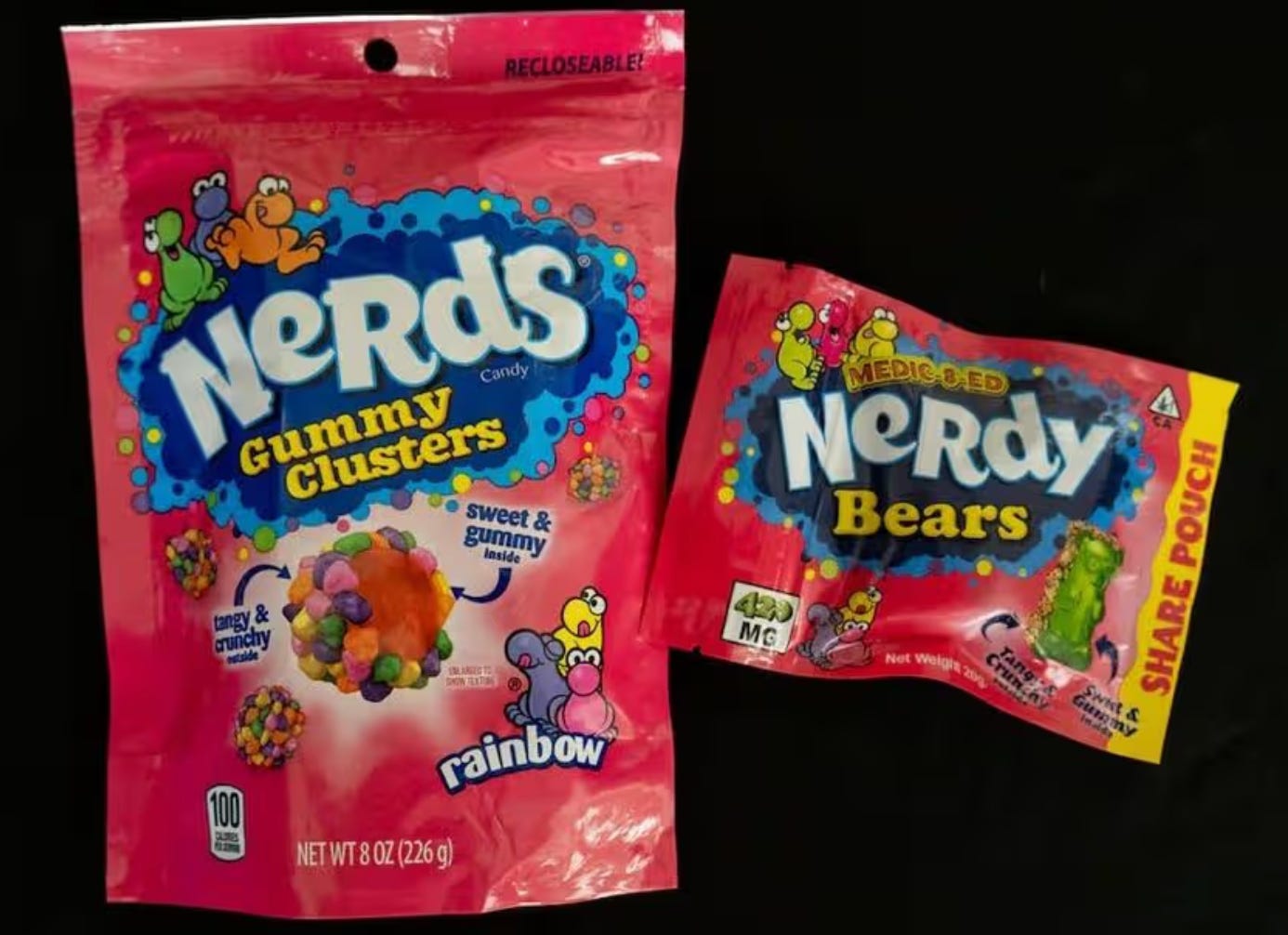
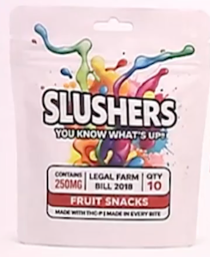
The second type of hemp-based product is of greatest concern and most in need of regulation. Those are the consumables like gummies and edibles which can have very high levels of Delta-8 or other synthetic THC components. Some makers have gone so far as to put these dangerous psychoactive products into forms and packages which look like well-known, colorful, innocent candies.
No alcohol but still a buzz in the can
THC beverages represent the third type of hemp-based product. I suspect the enormous financial potential of THC drinks sold outside of cannabis dispensaries is the biggest motivator for the hemp lobby to try to kill the hemp ban. Currently these drinks are being put on shelves in stores that sell alcohol.
Can hemp leapfrog cannabis to get federal approval and regulation?
As alcohol sales decline and cannabis consumption increases, major voices on the retail side of the alcohol industry are in favor of regulating THC drinks made from hemp so that liquor stores and restaurants can sell them. Some major brewers like Constellation (Corona, Modelo), Heineken (Lagunitas), and Coors Molson, along with some craft brewers, are already investing in hemp-based beverages. Restaurant associations are also part of the lobby to legalize intoxicating hemp drinks. This whole beverage segment would love to leapfrog the possibility of federal legalization of cannabis and reap big gains in this quickly developing market.
The big dog in the fight: THC in a can or martini glass
So, to review, in the realm of hemp first we have the fairly innocent CBD products, then the THC gummies and edibles, a segment that has been grossly tarnished by the those who make hemp products targeting a market that doesn’t have an adult understanding of psychoactive drugs and their hazards, including kids who end up hallucinating at school. Third is the big dog in the fight, the hemp-based THC beverage market.
The wild, wild west of cannabis at 90% potency vs. a regulated hemp industry? Hmmm…
The current state of legal cannabis access is a hodge-podge wild west, not regulated at all by about half of the states, with many products having excessive levels of THC. High potency THC in hemp or cannabis products is associated with increased risk of cannabis use disorder and mental illness.
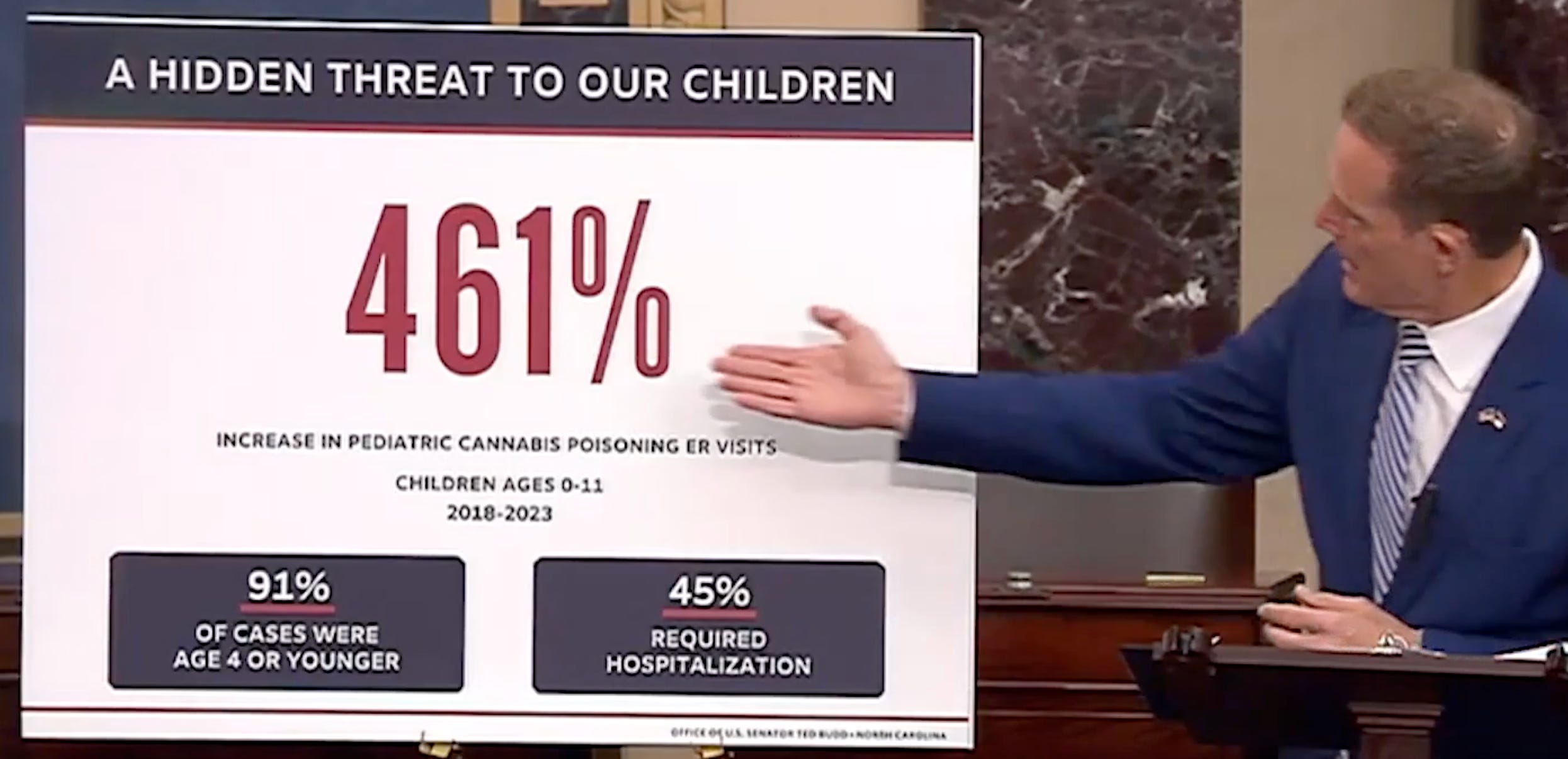
A strong federal structure of cannabis regulation is needed. However, the medical and adult-use cannabis dispensary lobby is influential, bringing in substantial revenues for states where cannabis has been legalized. The cannabis industry is likely to push for a light federal regulatory hand when, and if, it is legalized on the national level. This could mean continued high THC content products in dispensaries.
Could hemp products provide a model for federal approval and regulation of cannabis?
If hemp-based THC beverages are legalized at the federal level, it would likely be with enough regulation and moderation to serve as a model for when the eventual federal legalization of cannabis occurs, assuming it does. So I am rooting for the hemp-based THC beverage industry to succeed in getting sensible regulations in place and soon. I just wish they didn’t have to play mysterious political games to get there in such a volatile and corrupt political environment.
Thank you for reading. Your support for Eating In America is key for my work. I appreciate it!
References
Senator Ted Budd, Republican, North Carolina on Hemp Ban Delay legislation, (August 5, 2026) (Senate).
Bayly R. Ultraprocessed Cannabis: Potency, Policy, and Public Health in America. April 14, 2026. Eating In America. https://www.eatinginamerica.co/p/ultraprocessed-cannabis-potency-policy-aeb
Marijuana Policy Project. What are state regulators doing about delta-8? Accessed September 18, 2026. https://www.mpp.org/policy/federal/delta-8/what-are-state-regulators-doing/
Fitzpatrick J. ‘Reefer Madness’: White House’s hemp reversal divides GOP — and sparks conflict of interest concerns. MS NOW. August 6, 2026. https://www.ms.now/news/white-house-hemp-reversal-susie-wiles
Sholler DJ, Schoene L, Spindle TR. Therapeutic Efficacy of Cannabidiol (CBD): A Review of the Evidence from Clinical Trials and Human Laboratory Studies. Curr Addict Rep. Sep 2020;7(3):405–412. https://doi.org/10.1007/s40429-020-00326-8


