

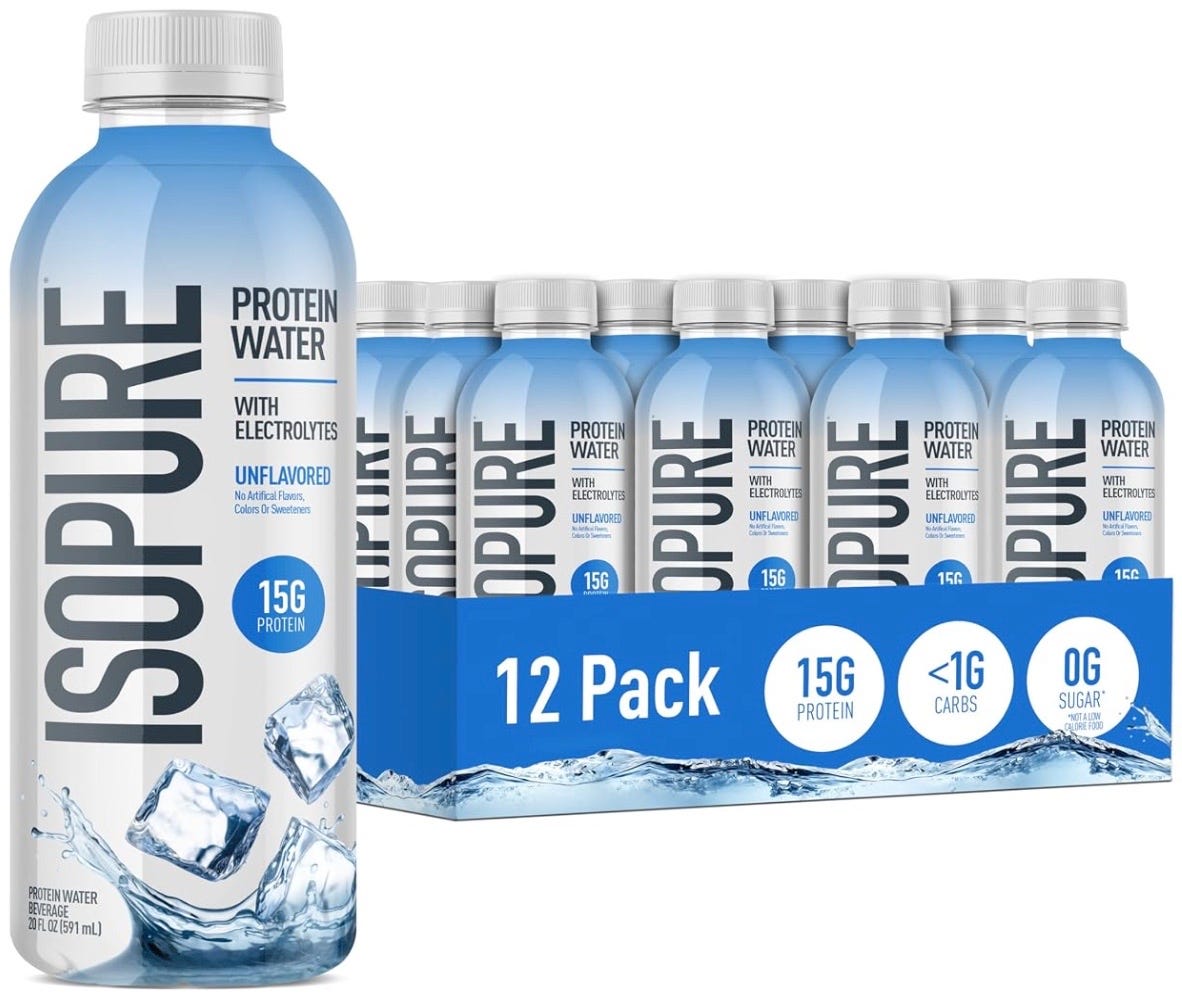
Maybe if supplement hawker and wellness influencer Nicole Saphier is confirmed as Surgeon General, she’ll let us know how to choose the best protein water to buy. After all, with the flood of protein products pouring into our supermarkets and convenience stores, it is hard to know which product will build our muscles the fastest.
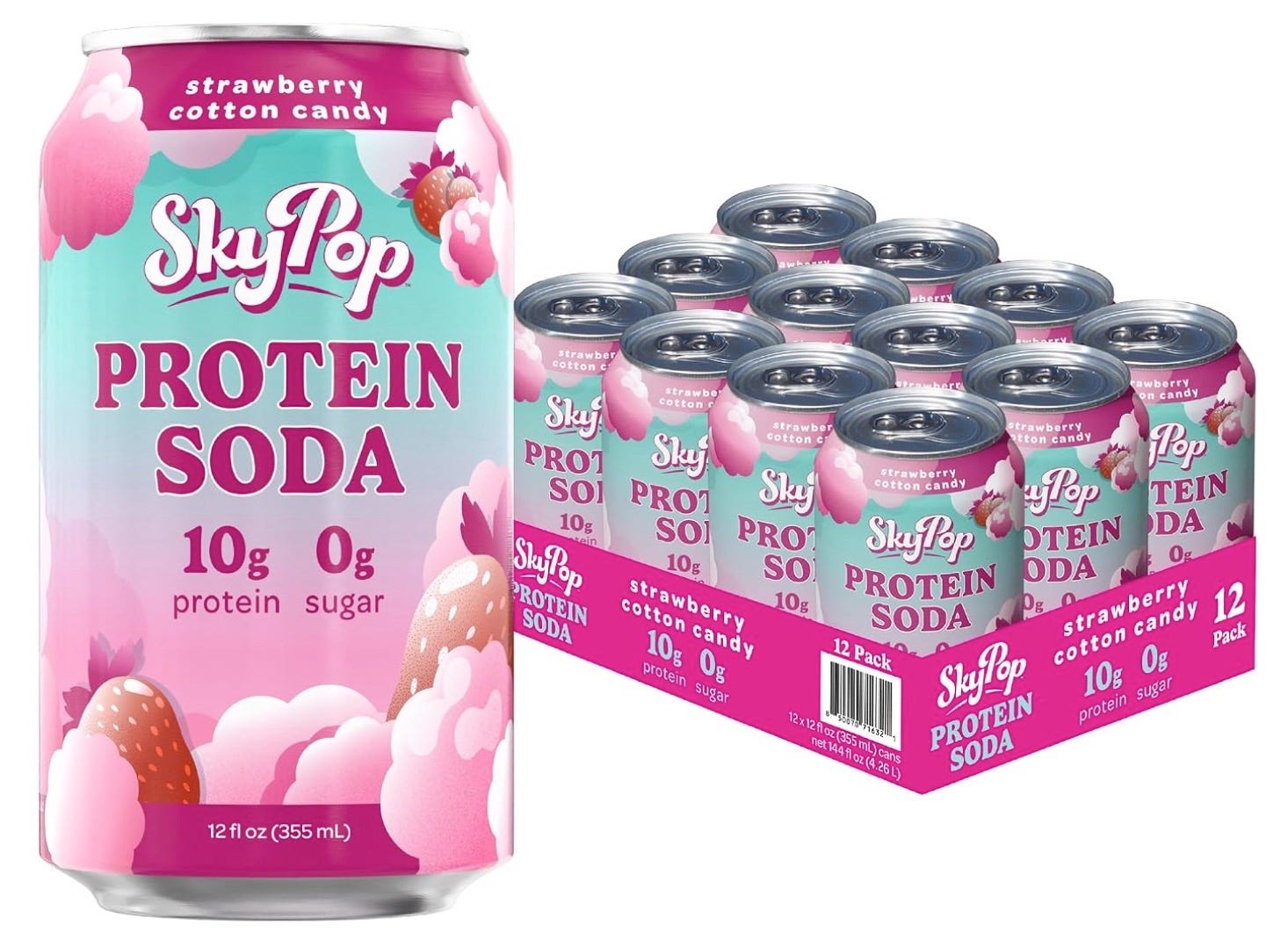
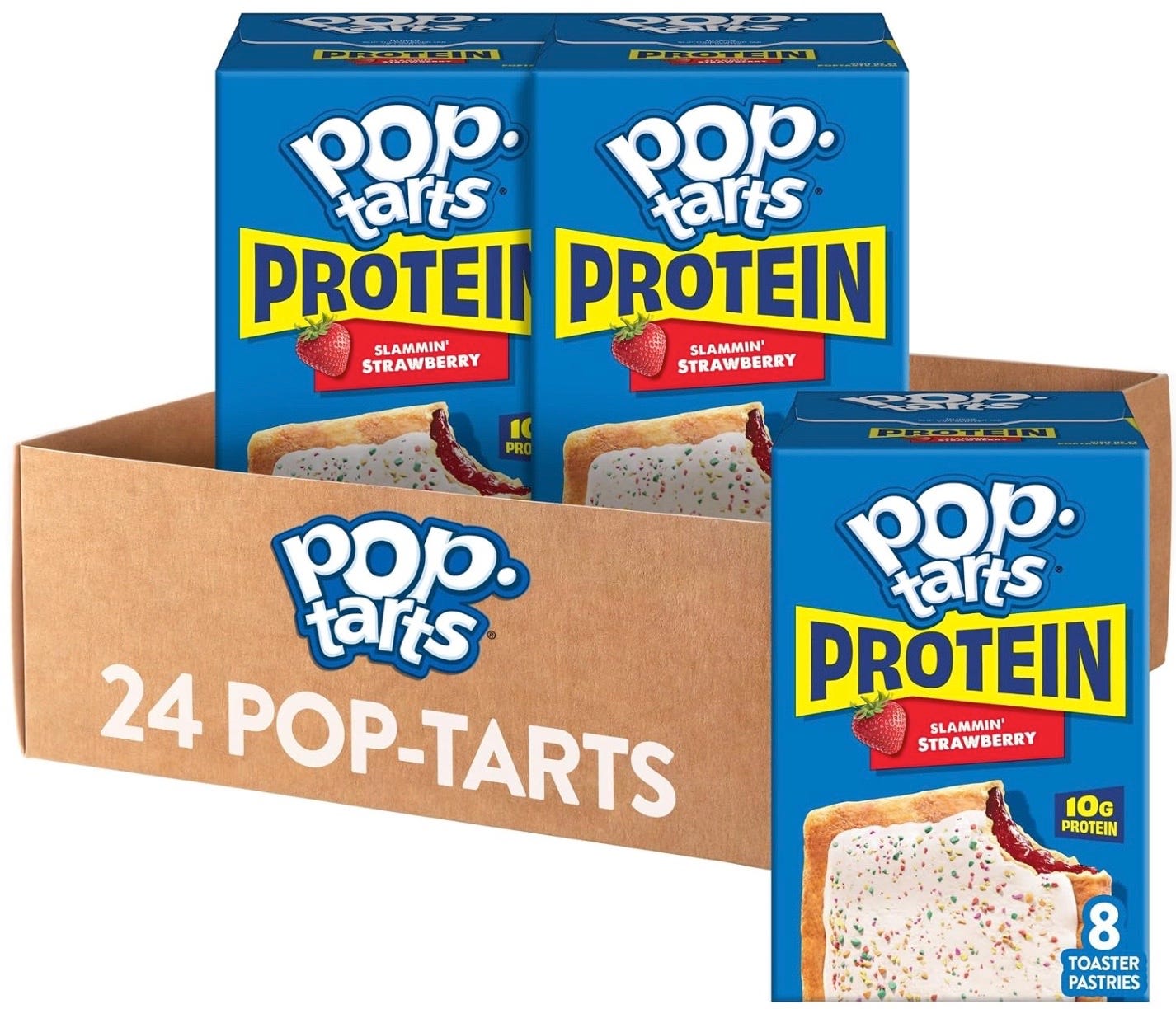
Maybe a protein soda is best, like SkyPop? Or Slammin’ Strawberry Pop-Tarts with protein? We can just ignore the 8 teaspoons of sugar, Red Dye #40, and all that other stuff Pop-Tarts doesn’t brag about on the front of the box, right?
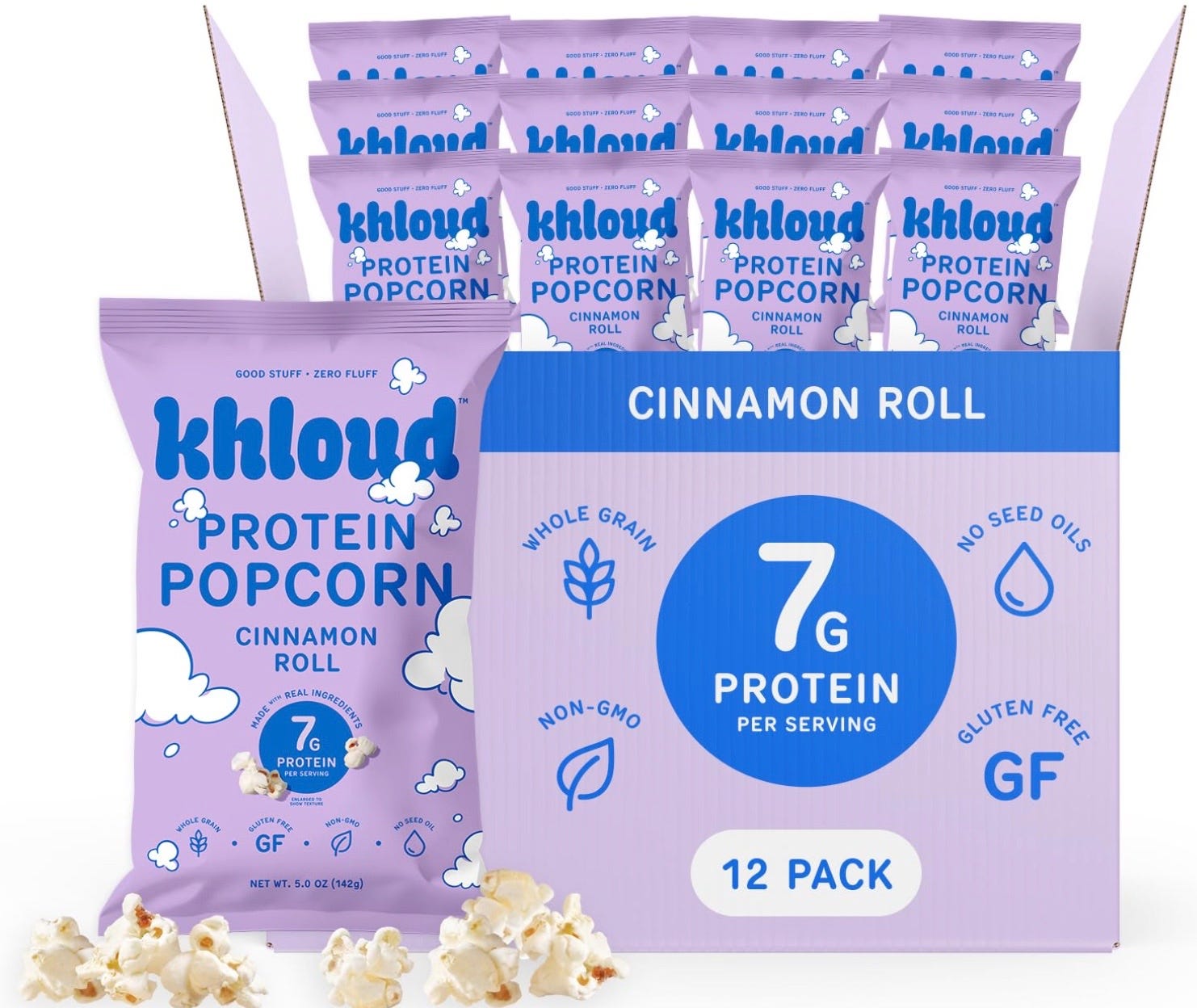
Or how about Khloe Kardashian’s Khloud Protein Popcorn, perhaps the Cinnamon Roll flavor?
I’m just kidding about all this, of course. It is troubling that consumers are being preyed on by sellers of – and here’s an oxymoron for you – water containing protein. More absurd is the brand of protein water that also contains dietary fiber. You can get your fiber-maxxing and protein-maxxing fix all in one otherwise innocent bottle of water.
When it comes to protein, we are the hunted
Big Food is always a predator upon our nutrition worries, and with a population that is largely aging, sedentary, overweight, dieting with a GLP-1, or, frequently, all four, more and more American adults are very rightly concerned with their muscular strength. We present lots of potential prey for protein marketing. But, as silly and sad as these protein-added products are, taking a pause to re-think our protein intake while checking the new recommendations from the federal government, makes sense.
We lose muscle as we age.
We lose it faster if we are sedentary, and we are more sedentary if we are overweight or obese. Many of us who are or have been overweight or obese, are able to control our weight with a GLP-1 like Zepbound or Wegovy. The question has been raised as to whether GLP-1 based dieting can involve losing too much muscle mass along with the loss of fat tissue. There’s also the common condition of skeletal muscle attrition and reduction in strength coexisting with obesity, known clinically as sarcopenic obesity.
I’ll address all these concerns.
We need strength for health, to fully function, and ultimately for independence.
Our strength is largely, but not entirely, a function of our muscle mass. Strength also depends on how fast our brain fires our muscle, our skill in using our muscle, our body mechanics, and the balance in our muscle between slow twitch and fast twitch muscle fibers, fast twitch being better for sprinters and slow twitch for marathon runners.
Strength can be built to some extent just by training your nervous system and your movement skills, but the real gains in strength and confidence come with building up the key muscle groups.
Building muscle requires stimulus: play time!
Perhaps workouts should be re-worked and re-branded as “play time.” “Gamification” is everywhere today. Maybe some would enjoy “gamified” workouts. Whatever it takes.
Too many people are put off by the very thought of muscle training, but building muscle requires both protein and a stimulus, a signal to our bodies to add the muscle. Our bodies wisely require proof that more muscle is needed before they go about adding it. Otherwise, we would be growing muscle without control, using extra protein in our system. The stimulus that tells our bodies to create new muscle comes from pushing our muscles to their limit by working them, usually through training using weights or other resistance. Without a training stimulus, muscles won’t grow. Training and protein are both essential to building muscle.
So how much protein is needed?
The scientific consensus and federal recommendation was 0.8 grams of protein per kilogram of body weight from 1941 until this year. That’s going on 90 years. The method for coming up with the initial 0.8 grams recommendation has been replaced by a more accurate technology that does not underestimate protein need.
Also, for most of that time 0.8 grams was considered a target even though it was created as a recommended minimum. The new Dietary Guidelines for Americans issued in January by the Trump administration increased the recommended minimum to 1.2 to 1.6 grams per kilogram of body weight, that’s 50 to 100% more than the old minimum recommendation.
The math made easier
Let’s pause for a moment because there’s more metric math in that equation than most of us Americans are keen on doing. Translated to pounds of body weight, we’re looking for roughly ½ to ¾ of a gram of protein per pound of body weight. So for a 150 pound adult, that is a recommendation of about 75 to 110 grams of protein per pound of body weight per day.
Across the day that could look like two large eggs (25g), almond butter on two slices of 100% whole wheat toast (20g), yogurt (15g), or a 4-ounce fillet of chicken (35g) or salmon (25g).
There is a 75 to 110 grams range in this minimum recommendation because there are many other factors besides body weight to consider, including age, GLP-1 use or other weight-loss dieting, exercising and strength training, and overweight and obesity. All of these factors are reasons to consider aiming for the upper end of this range or beyond.
Kennedy is…right
So it pains me to say it because he is so deadly wrong about other things like vaccines, but RFK, Jr. is right – albeit only partly – about increasing the recommended protein level. What he, the USDA, and the rest of the cattle-and-dairy-cozy Trump administration are wrong about is suggesting that consumption of red meat should be increased. And maybe full fat dairy is okay for active youths on a healthy diet, but for adults, saturated fat, like that in milk, is strongly linked to heart disease. Further, the Guidelines should have emphasized that seafood and plant protein are healthier than protein from meat.
Protein can be 10% to 35% of our diet!
Protein can safely make up 10% to 35% of the calories in a diet according to the standard set by the National Academies of Science’s Academy of Medicine. So more protein is fine. If that extra protein replaces refined carbohydrates or saturated fat, all the better.
Older adults don’t make muscle as easily
The ability to synthesize muscle tissue is reduced in older adults – that’s called anabolic resistance – but eating an increased amount of protein can overcome that deficit. Because of this, the new Dietary Guidelines recommendation of a minimum of ½ to ¾ grams of protein per pound of body weight is largely in line with recommendations for older adults.
Sarcopenic obesity, explained
Adults of any age who have sarcopenia, that is loss of muscle mass or strength, associated with obesity, will benefit from increased protein and strength training to build muscle and increase its quality.
Protein and strength conditioning
As with recommendations for older adults, the International Society of Sports Nutrition’s position on protein for exercising individuals is roughly in line with the new Dietary Guidelines recommendation. Competitive athletes tend to have increased protein and other nutrition requirements depending on what their sport is and what their training requirements are. There’s clearly a range in needs from ping-pong to football players.
Eat protein anytime and it will go to work - if you have given it a reason to!
For the rest of us who do strength workouts, there’s a myth that the anabolic window when protein can be synthesized into muscle is limited to two hours after strength training. That window is actually 24 hours, so eat your protein whenever you can during the day, just be sure to get your resistance training in. However, for older adults, to overcome the anabolic resistance that comes with aging and makes muscle synthesis difficult, spread out the protein intake across three or four meals during the day. For many of us, that might only mean adding a good protein source such as eggs or yogurt to breakfast.
GLP-1s, dieting, and extra protein needs
Dieters, especially those using GLP-1s, may have heard concerns about losing too much muscle mass along with the fat.
Dieting does normally come with some muscle mass loss along with reduction in fatty tissue. GLP-1s like Zepbound and Wegovy can be very effective at weight reduction. Are these dieters losing muscle mass to a concerning extent? New analysis is reassuring on this front.
First, for heavy but strong individuals, a reduction in weight allows for a reduction in the muscle mass that was tasked with carrying that extra weight. Second, actual muscle loss has been found not to be bigger with GLP-1 use when compared to traditional dieting.
Muscle quality can be helped by GLP-1s
Third, the quality of muscle tissue is important along with the quantity of muscle, and GLP-1s have been found to improve muscle quality, removing interstitial fat from the muscle tissue. The fat within the muscle in people prior to using GLP-1s was degrading the performance of their muscles. The muscle was leaner and the quality and strength of the remaining muscle tissue was improved after treatment with a GLP-1.
So , pending further research, muscle loss with GLP-1 dieting is not as big a concern as some initially worried. Nonetheless, growing muscle mass is a great idea for almost all of us at any age, and a period of GLP-1 controlled weight loss is a perfect time to start a habit of strength training and increased protein intake in line with the new minimal recommendations to compensate for any muscle dieted away along with the fat.
Protein and medical patients
People with chronic disease or recovering from surgery may benefit from increased protein. Unless you have kidney disease, moderately increased protein intake is not a problem for renal function. For those with severe kidney disease, protein restriction may be warranted.
Here are three key points:
Do the math, aiming for at least 1/2 to 3/4 gram of protein per pound of body weight per day. Then do a quick internet search on the food you typically eat and make a rough tally on the amount of protein you are consuming. You’ll quickly get a sense if you are eating enough.
The quality of the protein you eat is very important. Cut back or eliminate red meat and emphasize fish and plant protein in your diet as much as possible.
Workout with weights and other forms of resistance. You can start with the easiest bits and pieces of a weight program and still see quick and meaningful improvements.
What about protein supplements?
Remember, all protein supplements and products with added protein are ultra-processed food.
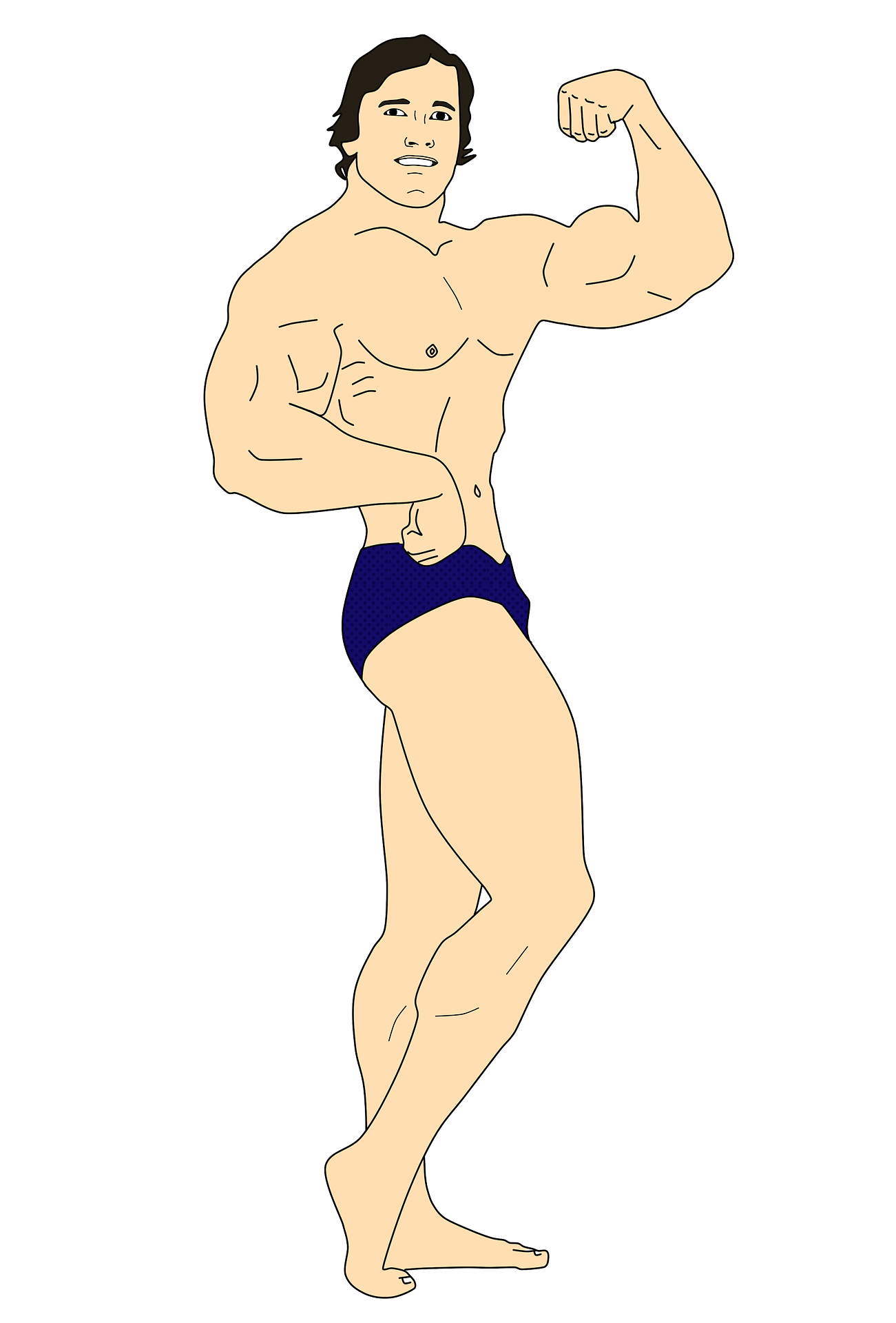
That said, former body builder and California Governor, and current movie star, Arnold Schwarzenegger thinks the daily protein shakes he has consumed since he was fifteen years old have worked well for him. I wouldn’t argue. Not with him anyway. But Arnold has invented the notion of adding alcohol in the form of Schnapps from his Austrian homeland to his protein shakes and serving them to his fellow movie cast members. That, I would skip.
Thank you for reading. Your support for Eating In America with your subscriptions, paid or free, likes, shares, and comments is key for my work. I appreciate it.
References
Moscucci F, Baratta F, Pastori D, et al. A Narrative Review on GLP-1 Receptor Agonists for Obesity in Older Women: Maximizing Weight Loss While Preserving Lean Mass. Nutrients. Feb 14 2026;18(4) https://doi.org/10.3390/nu18040632
Spees CK, Scott JM, Taylor CA. Differences in amounts and types of physical activity by obesity status in US adults. Am J Health Behav. Jan 2012;36(1):56–65. https://doi.org/10.5993/ajhb.36.1.6
Wei S, Nguyen TT, Zhang Y, Ryu D, Gariani K. Sarcopenic obesity: epidemiology, pathophysiology, cardiovascular disease, mortality, and management. Front Endocrinol (Lausanne). 2023;14:1185221. https://doi.org/10.3389/fendo.2023.1185221
McLeod M, Breen L, Hamilton DL, Philp A. Live strong and prosper: the importance of skeletal muscle strength for healthy ageing. Biogerontology. 2016/06/01 2016;17(3):497–510. https://doi.org/10.1007/s10522-015-9631-7
Trumbo P, Schlicker S, Yates AA, Poos M. Dietary Reference Intakes for Energy, Carbohydrate, Fiber, Fat, Fatty Acids, Cholesterol, Protein and Amino Acids. Journal of the American Dietetic Association. 2002;102(11):1621–1630. https://doi.org/10.1016/S0002-8223(02)90346-9
Bauer J, Biolo G, Cederholm T, et al. Evidence-Based Recommendations for Optimal Dietary Protein Intake in Older People: A Position Paper From the PROT-AGE Study Group. Journal of the American Medical Directors Association. 2013;14(8):542–559. https://doi.org/10.1016/j.jamda.2013.05.021
Jäger R, Kerksick CM, Campbell BI, et al. International Society of Sports Nutrition Position Stand: protein and exercise. J Int Soc Sports Nutr. 2017;14:20. https://doi.org/10.1186/s12970-017-0177-8
Scheen AJ. GLP-1-derived therapies and risk of sarcopenia: myth or reality? Expert Opinion on Drug Safety. 2026/03/23 2026:1–12. https://doi.org/10.1080/14740338.2026.2640980
Noronha JC, Van Gaal LF, Neeland IJ, et al. Optimizing GLP-1 therapies for obesity and diabetes management. Obesity Pillars. 2025/12/01/ 2025;16:100222. https://doi.org/10.1016/j.obpill.2025.100222
Hosie R. Arnold Schwarzenegger says he drinks protein powder mixed with tequila or schnapps. It’s an upgrade from the terrible protein shakes he made in the 1960s, which contained yeast. Business Insider. July 26, 2022. https://www.businessinsider.com/arnold-schwarzenegger-bodybuilder-adds-tequila-schnapps-protein-shakes-2022-7


