

Tall ships in Boston and a world of the past
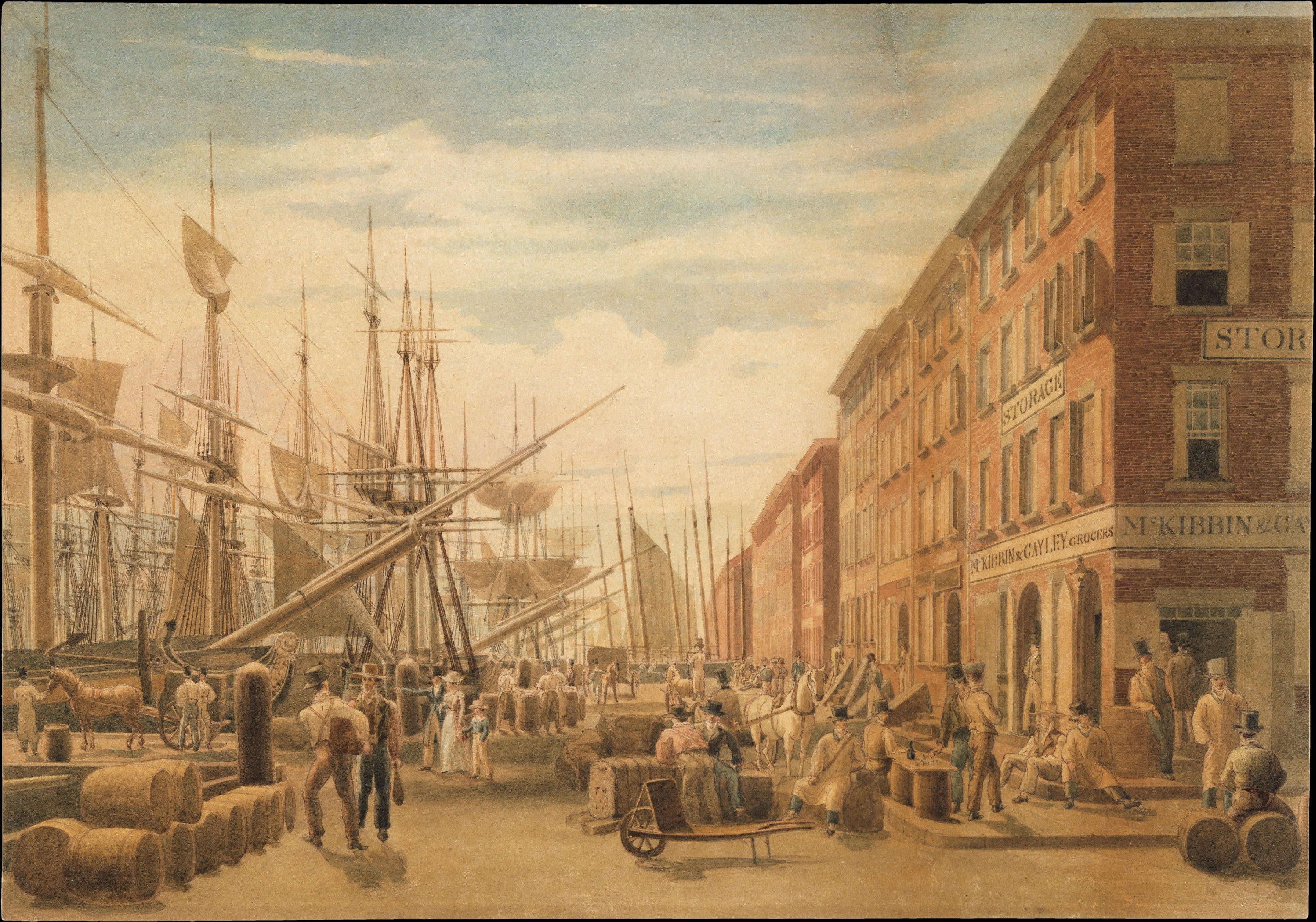
A collection of tall ships have sailed from New Orleans to Boston, the last stop on their US tour celebrating the birth of our nation, 250 years ago. Sixty ships from the U.S., Europe, Asia, Oceania, and South America are part of the gathering. The oldest is likely the U.S.S. Constitution, built in 1797 and permanently docked in Boston. Most of the ships involved were built in the 1900s, some as naval training vessels and others for pride and beauty. These boats evoke a world very different from what we see, use, and experience today: extraordinary bravery in exploration of the world, Leif Erikson, Columbus, Magellan, and nature, Darwin and the HMS Beagle, empire building and naval domination, the shipping of African people who had been enslaved as cargo for trade, the theft of gold from the Americas, pirates, cannon battles, the retreat 250 years ago of the British fleet from Boston Harbor under the surprise threat of George Washington’s cannons, the Star-Spangled Banner withstanding the bombardment of the British fleet in Baltimore in the War of 1812, and an explosion of trade spanning the globe.
In the hold: food, opium, tobacco
More than half of that trade was in food and substances for consumption, like opium and coffee. Tobacco was the most valuable export of England’s American colonies, and a tax on the tea which kept Americans going resulted in the Boston Tea Party and stoked the fires of the American Revolution.
Sugar, rum, and the Great Boston Molasses Flood
Sugar was another substance that crossed the Atlantic with a massive amount of it going to Boston in the form of molasses to be distilled into rum for the heavily drinking American colonists and their British countrymen. To be fair, contaminated water was a big issue, so consumption of beer, hard cider, and rum was a common way to quench thirst. At the time of the Revolution, men were drinking three pints of rum a week on average. Rum distilling in Boston continued to be huge right up to 1919 when a 2.3 million gallon tank of molasses ruptured in the North End, very near Revolutionary hero Paul Revere’s historic home, releasing a tidal wave that killed 21 as it poured through the streets.
I’ll give you a horse for that pineapple?
America was a big grain exporter from its early colonial days, sending barrels of flour and unmilled wheat from the Chesapeake and mid-Atlantic, along with salted beef and pork, dried and pickled cod, and rice. But sailing ships also brought the imperialists back a wealth of new food. Columbus brought back the first pineapple, which started a 150 year craze. Pineapples could cost thousands of dollars and were rented out to the middle class for display at dinner parties. They were valuable mainly because so few specimens could survive the Atlantic crossing without refrigeration. Many other new fruits arrived in Europe, but perhaps most transformative was one of the plainest of produce products: potatoes from the Andes. The success of potato farming fed massive population booms in Ireland, Germany, and Russia. Corn was also a big introduction to the European diet along with tomatoes and chili peppers.
Of course, many people today would be happiest that the New World yielded its invaders chocolate. Or is it a toss-up between chocolate and coffee?
Naval food: a source of enduring innovation
But apart from what was in the holds of the sailing ships, what happened in the ship galleys was a source of important nutrition innovation and discovery.
During the 1700s scurvy killed thousands of British sailors, more than died in sea battles. In 1747, a naval surgeon, Dr. George Lind, ran the first medical clinical trial to determine the best treatment for scurvy. Although the vitamin C deficiency disease had been diagnosed and treated since the ancient Egyptians, Lind’s comparisons of the effectiveness of citrus vs. hard cider vs. vinegar vs. vitriol, which was likely a copper or iron sulfate liquid, vs. seawater concluded what many sailing cultures already knew, namely lemons and limes were the best treatment and prophylactic for scurvy because of their high concentration of vitamin C.
The Napoleons better the lives of their sailors (or at least try to)
Then there were the Napoleons and the prizes they offered to improve their navies’ food by improving its lifespan. Napoleon Bonaparte was immensely successful with the invention of canning, a massive boon for food preservation, but Napoleon III’s effort was a miss. The third Napoleon offered a prize for the invention of a butter replacement, the unrefrigerated dairy product spoiling after a week on board ship. After some years margarine was produced from beef fat in 1869, but it was so disgusting that neither the French sailors nor France’s poorest people would eat it. Margarine from plant oil was finally invented in 1901 and eventually became a huge hit due to its low cost and great health advantage over butter. Only the health advantage was merely imagined and marketed, and, in fact, plant oil margarine, which is essentially transfat, is quite toxic to human health. See https://www.eatinginamerica.co/p/a-horror-story-from-long-ago-about for the story of the 1945 health testing of margarine vs. butter using orphans as subjects: completely unethical research commissioned by the margarine manufacturers.
More evidence for World War II as the crucible of the era of ultraprocessed food
As the industrial technology of highly- and ultra-processed food advanced (I classify canning as moderately processed and margarine as highly-processed), the better served were the short term health, nutrition, and morale needs of the seafaring and the worst served were the long term health needs of the land-based population. In World War II, which was the engine that propelled us into the highly-and ultra-processed food era we live in now, the needs of transporting hundreds of thousands of soldiers aboard ships sparked the U.S. to invent dehydrated foods like powdered milk, instant coffee, and instant mashed potatoes.
The amazing rowing journey of Kelsey Pfendler and the 4th of July cup of Joe!
Interestingly, descendants of these same dehydrated meals were on board Kelsey Pfendler’s 24 foot row boat when she embarked from California in May to row to Hawaii, landing in Honolulu on July 4th. Powdered milk and dehydrated camping meals were staples of Pfendler’s 4,500 calorie a day diet. She told NPR, that it was, for sure, not a good diet for long term health. Her addictive but completely essential substances on board included lots and lots of chocolate and sugar. Pfendler had a supply of caffeine pills for emergencies, but had gotten herself off coffee before she left. However, the first thing in her hands when she landed in Oahu: fresh hot coffee!
The everyday shipboard hero was in the galley
So the seagoing life is never going to provide a nutritional model for the rest of us. But the ship does provide a model for the role of the chef, the cook, as a person who can deliver hope, love, warm memories, sustenance, community, and family. On a naval boat the chef is the cruise’s biggest hero three times a day, meticulously planning meals and packing every inch of available space with food for the voyage. The chef is the creative innovator, especially when things go wrong, and brings joy and a sense of pace to the voyage with a traditional, homey, fried chicken Sunday dinner, along with dependable birthday cakes and surprise treats. When the depth charges start exploding 100 meters down in battle, it’s the submarine’s chef who makes sure to hand pass sandwiches down the line to the far ends of the boat. Sort of a super-mom or super-dad.
The highlight of the week? A can of pre-made coffee in the middle of the Pacific.
And those mid-voyage treats? Even Kelsey Pfendler, who rowed a tiny but heavy boat 55 miles a day through ocean waves (I’m a rower and that is incredibly amazing) where every gram of weight counted, brought a can of coffee to celebrate reaching the mid-point of her 43 day journey.
Congratulations to Kelsey Pfendler and all the sailors, and especially their galley cooks, who sailed the oceans to help celebrate the founding of one of the world’s most profoundly important and often beautiful democracies, a nation where all men are certainly created equal and, someday, we hope all children will be well fed. Let freedom, and the mess bell, ring.
Thank you for reading. Your help in subscribing or upgrading your subscription, sharing this podcast with your besties, clicking a heart, or making known your thoughts, will get a warm like from me.


